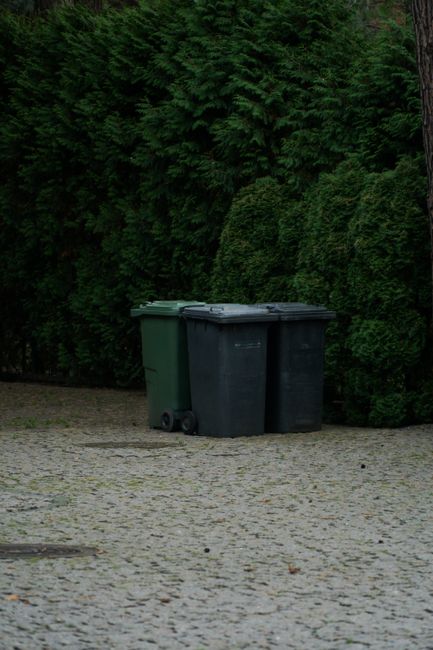
Driveway access problems for rubbish removals Kingston
Posted on 18/06/2026

Driveway Access Problems for Rubbish Removals Kingston: A Practical Guide for Homeowners, Landlords and Businesses
If you are dealing with driveway access problems for rubbish removals Kingston, you are not alone. Narrow drives, awkward bends, low branches, parked cars, shared entrances, and steep slopes can all turn a simple collection into a fiddly job. The good news? Most access issues can be handled with the right preparation, clear communication, and a removal team that knows how to work around tight spaces without making a mess of the driveway, the pavement, or your day.
This guide explains what driveway access issues actually mean in practice, why they matter, and how to plan a smooth rubbish clearance in Kingston even when space is limited. You will find practical steps, common mistakes, a useful checklist, and a realistic comparison of the options. A lot of the stress comes from uncertainty, truth be told, so let's make the process clearer.
Why Driveway access problems for rubbish removals Kingston Matters
Access is one of those things people only think about when it becomes a problem. If the van cannot get close enough, the team may need to carry bags, broken furniture, or bulky items further than expected. That affects time, labour, vehicle positioning, and sometimes whether the job can be completed in one visit.
In Kingston, this comes up often in terraced streets, shared forecourts, mews-style properties, basement flats, and homes with short or steep driveways. Some properties also have gates, steps, tight turning circles, or mature trees that make manoeuvring awkward. On a wet morning, a sloping drive can become even more awkward. Nobody wants a wheelbarrow skidding near the front path, let's face it.
Driveway access matters because it influences:
- how quickly the rubbish can be removed
- how many staff are needed
- whether a smaller vehicle is more suitable
- if extra carrying distance will affect the quote
- the risk of damage to paving, walls, gates, or parked cars
For some jobs, driveway access is the difference between a smooth same-day clearance and a delayed booking. If you want to understand the wider service picture, it can help to review the available services overview before you book, especially if your property mixes domestic and commercial waste.
Expert summary: Good access is not just about convenience. It reduces handling time, lowers the risk of damage, and helps the team bring the right vehicle and crew size from the start.
How Driveway access problems for rubbish removals Kingston Works
When a rubbish removal company assesses a job, it is not just looking at the amount of waste. It is also looking at the route from the rubbish pile to the vehicle. That includes the driveway, gate width, front path, shared access points, and where the van can legally and safely stop.
The process usually starts before collection day. A good team will ask for photos or a short description of the access. That might sound a bit fussy, but it saves a lot of guesswork. A quick photo of the front entrance, side alley, or driveway opening can show whether a small van, a larger loading vehicle, or extra carrying equipment is needed.
Here is how it generally works:
- Access is assessed in advance. The team checks the driveway width, slope, surface, turning space, and any obstructions.
- Vehicle choice is matched to the property. A smaller van may be better for Norbiton-style streets or tight residential entrances, while a larger vehicle may suit easier access.
- Collection route is planned. The crew decides how they will move waste safely from inside the property to the van.
- Protection measures are considered. Where needed, teams use care around gates, paving, walls, and shared surfaces.
- Loading happens with the least disruption possible. The aim is usually a quick, tidy collection with minimal disturbance to neighbours.
For homes with tight layouts, a smaller vehicle can often be the sensible option. If you are curious about that kind of setup, the article on small van rubbish collection for local homes is a useful read because it reflects the kind of access constraints many Kingston streets create.
Sometimes access problems are temporary. A builder's skip might have blocked the drive, a contractor may be working on a front garden, or a family car might be parked exactly where the van needs to be. Other times, the issue is permanent and needs planning every time. Different feeling, same headache.
Key Benefits and Practical Advantages
It may sound odd to talk about benefits when the subject is awkward driveway access, but good planning brings real advantages. People often notice the relief more than the process itself. That is usually a sign the job was done well.
- Lower risk of damage: If the vehicle is positioned properly and the route is planned, there is less chance of chipped paving or scratched gates.
- Less time wasted: A team that knows the access in advance can arrive ready, rather than spending the first ten minutes figuring things out.
- More accurate pricing: Clear access information helps avoid surprise charges or awkward renegotiation on the day.
- Better safety: Fewer risky lifting manoeuvres, less carrying over uneven surfaces, and fewer obstacles in the way.
- Cleaner finish: The collection is more likely to end with a tidy space rather than a trail of debris or dragged bags.
There is also a quieter advantage: peace of mind. When you know the driveway issue has already been discussed, the rest of the day feels much easier. You are not standing at the window wondering whether the van will get stuck halfway up the slope.
For larger clearances, especially in family homes or inherited properties, access planning can also make related jobs easier. If you are combining a clearance with furniture or household items, you may find the dedicated pages on house clearance in Kingston and furniture removal in Kingston helpful for understanding what tends to be removed in one visit.
Who This Is For and When It Makes Sense
Driveway access problems can affect almost anyone, but some people feel them more sharply than others. If you live in a property with a long shared driveway, a narrow front garden, or a limited parking bay, you will already know the drill. And if you have ever had to shuffle bins, bikes, and a child's scooter out of the way at the same time, well, you know exactly how quickly the space disappears.
This topic matters most for:
- homeowners with limited parking or steep drives
- landlords clearing out tenant waste before a new let
- estate agents dealing with last-minute clearance jobs
- business owners removing office furniture or stock from awkward premises
- builders and refurb teams with rubble or mixed construction waste
- older properties where access was never designed for modern vans
It also makes sense when the waste is time-sensitive. For instance, if you are preparing for a sale, move, renovation, or end-of-tenancy handover, driveway access issues should be flagged early. That way, the team can decide if the job is better suited to a smaller vehicle, a two-person crew, or a split-load approach.
Commercial properties often have their own quirks too. A rear service entrance, an office basement, or a shared car park can be just as awkward as a domestic drive. If that sounds familiar, the guidance on commercial waste removal in Kingston and the local office clearance service may be more relevant than a standard domestic collection.
Step-by-Step Guidance
If you want the process to run smoothly, the best thing you can do is think like the crew for five minutes. Where will the van stop? How far is the walk? What might block the route? That bit of planning saves a surprising amount of hassle later.
- Measure the access properly. Check driveway width, gate openings, turning space, and slope. Even rough measurements are useful.
- Photograph the route. Include the front of the property, the drive, the path to the waste, and any tight corners.
- Move vehicles in advance. If your car is on the drive, shift it before the collection window starts.
- Clear obvious obstacles. Plant pots, bikes, tools, bins, children's toys, and loose hoses are the usual culprits.
- Tell the team about anything unusual. Low branches, steep steps, soft gravel, a shared gate code, or a neighbour's parked car can matter.
- Ask what vehicle size they plan to use. A smaller van may be better for restricted access, but the best fit depends on waste volume and route.
- Confirm loading point and route. A short note on where to park and which entrance to use can prevent confusion on arrival.
- Check whether extra carrying distance affects the quote. Not every provider charges the same way, so clarity helps.
- Keep the access clear on the day. It sounds obvious, but doors get blocked again five minutes before arrival more often than people admit.
If you are comparing pricing or want to understand why access can affect the final figure, take a look at pricing and quotes and the article on avoiding hidden rubbish removal fees. That combination gives a practical view of how access, labour, and collection size can shape the total.
Expert Tips for Better Results
There are a few things experienced crews notice straight away. The first is whether the customer has actually walked the route with the rubbish in mind. The second is whether access issues have been mentioned early enough to plan around. The third is whether the property is one of those deceptively awkward Kingston ones where the drive looks fine from the road, then narrows by half once you get to the back.
Here are some useful tips that really do help:
- Send photos in daylight. Morning or early afternoon photos are usually clearer than a dark phone picture taken at dusk.
- Describe the route in plain English. "Two gates, one slope, car usually parked on the right" is more useful than a vague "access is tricky".
- Warn about soft surfaces. Gravel, mud, loose slabs, or new resin drives need a careful approach.
- Think about neighbours. Shared access can be the real bottleneck, especially if another vehicle blocks the narrowest point.
- Plan for weather. Rain makes slopes and tight passages less forgiving.
- Group the waste near the exit if it is safe to do so. Don't create a blockage, but reducing carry distance often makes a big difference.
One small but valuable habit: stand at the road and look at the property as if you were arriving for the first time. What would a driver notice first? What would be hard to miss? It sounds simple, but it helps.
For awkward heavy items, such as washing machines or fridges, access planning matters even more because these items need careful handling and a stable route. The page on appliance disposal in Kingston is worth checking if that is part of your load.
Common Mistakes to Avoid
A lot of access problems are preventable. Not all of them, of course. Some driveways are just annoyingly designed. But many problems happen because people assume the team will "work it out on the day". Sometimes they can. Sometimes that ends up costing time or causing delays.
- Not mentioning the slope or width. Even a small narrowing can change the van choice.
- Leaving a car on the drive. It is such a common one, and it causes avoidable friction.
- Underestimating carry distance. Ten extra metres sounds minor until it involves multiple heavy bags and a wardrobe.
- Ignoring gate widths. A van may fit near the property but still not allow wide items through safely.
- Forgetting shared access rules. Some drives, courtyards, and back lanes are effectively communal, which means you need to be thoughtful about timing and parking.
- Booking the wrong type of service. A general rubbish removal may be fine, but builder's waste, furniture, and garden waste can each need slightly different handling.
Another mistake is failing to check what happens if access turns out worse than expected. Good operators are usually flexible, but it is better to know the plan before the van arrives. That small conversation can prevent a larger one later, and not the good kind.
Tools, Resources and Recommendations
You do not need specialist kit to assess access, but a few simple tools make the process easier. Nothing fancy. Just practical things that help you avoid guesswork.
- Measuring tape: Useful for gate openings, drive width, and tight turns.
- Phone camera: Photos are often the fastest way to communicate access conditions.
- Notebook or notes app: Handy for jotting down slope, steps, codes, or shared access details.
- Flashlight: If the route is dim, a quick torch check can reveal trip hazards.
- Rubber gloves and sturdy shoes: Helpful if you are moving items yourself before the crew arrives.
Useful website pages can also help you narrow down the right type of service. If your access issue is part of a broader clearance, the pages on waste clearance in Kingston, rubbish collection, and waste disposal in Kingston give a good overview of what different jobs typically include.
If you are removing mixed household items rather than only bagged rubbish, the furniture disposal page is also useful, especially when bulky items need careful manoeuvring through a narrow frontage.
Law, Compliance, Standards and Best Practice
Driveway access issues are not just a convenience matter. They can touch on safety, property care, parking restrictions, and proper waste handling. The exact obligations will vary depending on the property and the job, so it is sensible to stay cautious rather than assume too much.
In practical terms, best practice usually means:
- keeping access routes clear and safe for workers and residents
- avoiding obstruction of public pavements or neighbouring drives
- using a vehicle appropriate for the space available
- handling waste through a licensed and responsible carrier
- protecting surfaces where possible and avoiding unnecessary contact with walls, gates, and edging
When waste is being removed from homes or businesses, many customers also want reassurance about compliance and safety procedures. That is fair enough. It is worth reviewing the company's information on waste carrier compliance and insurance and safety if you want extra confidence before booking.
For sensitive household or business clearances, data handling, payment security, and contractual terms can matter too, even though they are not directly about driveway access. That broader trust picture is why pages such as payment and security and terms and conditions are worth a quick read if you like to know where you stand.
Small note, but an important one: if access is shared, you should be mindful of neighbours and any restrictions on parking or loading. Common sense goes a long way here. So does a courteous heads-up.
Options, Methods, or Comparison Table
There is more than one way to deal with a tricky driveway. The best option depends on the load, the distance from the road, and how much space is available for parking or loading.
| Method | Best for | Pros | Limitations |
|---|---|---|---|
| Standard van collection | Normal drive access with reasonable width | Simple, efficient, good for mixed loads | Can struggle on tight turns or steep drives |
| Small van collection | Narrow residential access or compact streets | Easier manoeuvring, better in tight Kingston roads | May need more than one load for larger jobs |
| Kerbside loading | Properties where the van cannot fully enter the drive | Useful when the frontage is restricted | Longer carrying distance, more labour |
| Split-load or staged clearance | Jobs with several bulky items or ongoing access issues | Flexible, works around tight schedules | May take more planning and sometimes more time |
If you are comparing methods because your property is unusually tight, the small-van approach is often the most practical starting point. If you are dealing with a more complex property near the riverside or a busy road, a staged plan can be more realistic than trying to do it all in one go.
Case Study or Real-World Example
Here is a realistic example. A homeowner in Kingston had a short, sloping driveway with room for one car, plus a low brick wall on one side and a neighbour's hedge on the other. The waste included a broken wardrobe, boxed items from a loft clear-out, and several bin bags from a weekend sort-out. Nothing unusual, really, except the access was tighter than it looked from the street.
The solution was straightforward once the details were known. The homeowner moved the car the evening before, took a few photos in daylight, and flagged the slope and gate width when booking. The collection team brought a smaller vehicle, parked so the carry route stayed short, and removed the items without blocking the pavement or damaging the path.
What made it go well was not luck. It was the preparation.
That same approach works for office and commercial jobs too, especially where access is through a rear lane or shared loading area. If your clear-out has multiple item types, you may find the local KT1 office clearance service helpful for seeing how more structured collections are handled. Likewise, if the job is part of a larger home clearance, the article on house clearance in Kingston Hill gives a good sense of how access and planning come together in real homes.
Practical Checklist
Use this checklist before collection day. It keeps things simple and, honestly, it saves people from a last-minute scramble.
- Measure the driveway width and gate opening
- Check whether the van can turn safely
- Take photos of the route from road to waste
- Move cars, bikes, bins, and toys out of the way
- Tell the team about slopes, steps, low branches, or uneven paving
- Confirm whether a small van is needed
- Check if the job includes furniture, appliances, garden waste, or mixed rubbish
- Ask whether access affects the quote
- Make sure shared gates or codes are ready in advance
- Keep the path clear on the day of collection
If your waste is mainly garden-related, and access is limited through a side path or narrow gate, the guidance on garden waste removal in Kingston may be the better fit. For bigger outdoor clear-outs, there is also the dedicated garden waste disposal service page, which is useful when you want to compare your options.
Quick takeaway: if access looks awkward, say so early. A good provider can plan around it. A rushed one usually cannot.
Conclusion
Driveway access problems for rubbish removals Kingston do not have to become a big drama. Most of the time, the solution is a mix of honest description, a few photos, the right vehicle size, and a crew that knows how to work safely in tighter spaces. That is the whole game, really.
Whether you are clearing a home, emptying an office, shifting garden waste, or removing bulky furniture, the access route deserves as much attention as the rubbish itself. Get that part right and the rest becomes far easier. Less stress, fewer surprises, and a much cleaner finish. Not bad for a few minutes of prep.
If you are still unsure how your driveway, side passage, or shared entrance will affect the job, review the relevant service pages, gather a couple of photos, and ask the key questions before you book. It is a small effort that usually pays off quickly.
Get a free quote today and see how much you can save.
And if your driveway is awkward, don't worry too much. With the right plan, even a tricky clearance can end up feeling surprisingly manageable.