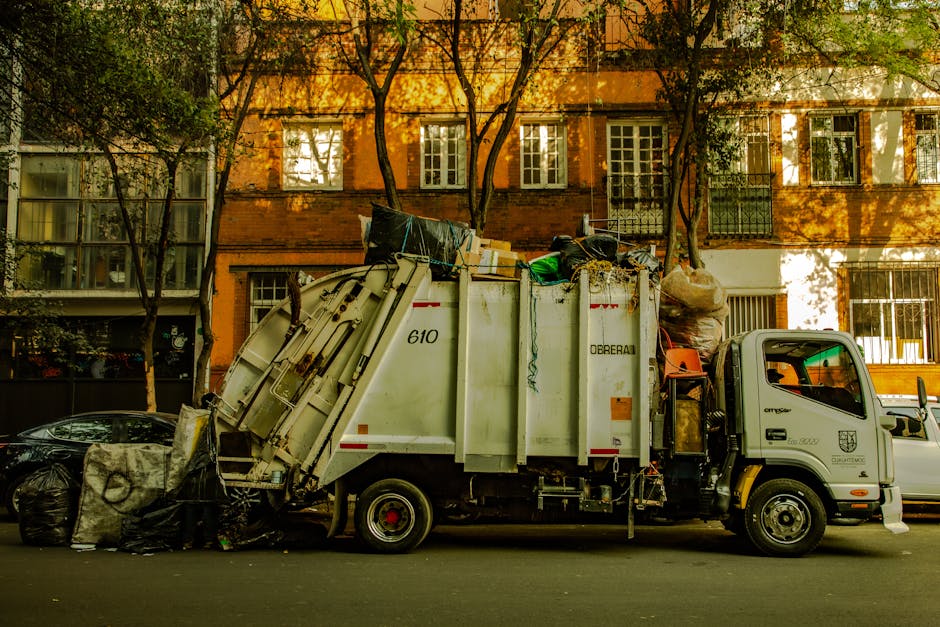
Real cost of bulky waste collection in Kingston
Posted on 10/06/2026
If you are trying to work out the real cost of bulky waste collection in Kingston, you are probably dealing with a pile of awkward stuff that cannot just go in the weekly bin. Old mattresses, broken wardrobes, worn-out sofas, a fridge that has finally given up, or a mixed load after a clear-out all bring the same question: what will it actually cost to get rid of this properly?
Truth be told, the number on a quote is only part of the story. The real cost depends on volume, weight, access, item type, labour, sorting, and whether you are using a council service, a private clearance team, or a man-and-van style collection. One cheap quote can turn expensive if it misses call-out fees or skips the heavy lifting. Another may look higher at first, then end up better value because it includes everything.
This guide breaks the topic down in plain English so you can compare your options, avoid the usual mistakes, and choose a service that fits your budget without the stress. If you are planning a wider clear-out too, it can also help to understand related services such as house clearance in London and how different disposal jobs are priced in real life.

Why Real cost of bulky waste collection in Kingston Matters
Bulky waste is one of those jobs that looks simple until you start moving things. A single sofa sounds manageable. Then you realise it has to come down a narrow hallway, past a bannister, through a shared entrance, and out to the kerb without scratching the wall. Suddenly the price is not just about disposal. It is about labour, time, vehicle size, and the awkward bit in the middle.
In Kingston, the cost matters for a few practical reasons. First, homes and flats vary a lot. Some properties have easy driveway access; others have tight stairwells, permit-controlled streets, or limited parking. That affects collection time and crew size. Second, bulky waste is often a one-off job, so people do not have much experience pricing it. That makes it easier to overpay or choose a service that looks cheaper but does less.
There is also the environmental side. A sensible bulky waste collection should sort reusable, recyclable, and residual waste properly rather than sending everything away mixed together. That is not just better practice, it can also reduce disposal costs when the load is prepared well. Let's face it, nobody wants to pay for the privilege of throwing away more than they needed to.
Another reason this topic matters is timing. If you are moving house, clearing after a tenancy, replacing furniture, or dealing with a renovation, bulky waste can slow everything down. The cost is not only money; it can be delay, hassle, and a few extra hours of lifting you really did not want on a wet Tuesday afternoon.
How Real cost of bulky waste collection in Kingston Works
Most bulky waste collection prices in Kingston are built from the same core ingredients, even if the wording on the quote changes. The final figure usually reflects a mix of what is being collected, how much space it takes, how heavy it is, and how difficult it is to remove.
What usually affects the price
- Volume: How much space the items take up in a van or truck.
- Weight: Heavy materials like rubble, appliances, or soaked furniture can raise disposal costs.
- Item type: Sofas, mattresses, white goods, wardrobes, and mixed loads may be priced differently.
- Access: Narrow stairs, long carries, or no parking nearby can add labour time.
- Urgency: Same-day or next-day collection often costs more than flexible scheduling.
- Disposal route: Reuse, recycling, and landfill all have different cost implications.
The most honest way to think about it is this: you are not just paying to "take rubbish away". You are paying for collection, loading, transport, sorting, and lawful disposal. If a quote seems unusually low, ask what is actually included. Sometimes the answer is less than you think.
In many cases, a provider will either quote a fixed price for a defined load or estimate from photos. Photo quotes are useful, but only if the pictures show the full job clearly. A sofa hiding behind a pile of bags is how misunderstandings happen. We have all seen that sort of thing. It starts with "just a couple of items" and somehow becomes a small expedition.
For bigger domestic clearances, some customers end up looking at broader waste solutions such as office clearance in London or mixed-property clearance if the bulky waste is part of a larger move-out. That is not always the right answer, but it is worth understanding the difference before you book.
Typical pricing shapes you may come across
Pricing can be presented in a few ways:
- Single-item pricing for one sofa, mattress, fridge, or appliance.
- Load-based pricing based on how much of a van you fill.
- Weight-based pricing for heavy mixed waste, rubble, or dense materials.
- Collection-plus-disposal pricing where labour and dumping are bundled together.
Each model has pros and cons. Single-item pricing is simple, but it may be poor value if you have several items. Load-based pricing is easy to understand, though it depends on the van size and the provider's definition of a half-load or full-load. Weight-based pricing is fair for dense waste, but it can be harder for a homeowner to estimate in advance.
Key Benefits and Practical Advantages
When bulky waste is handled well, the benefits are immediate. The room looks bigger. The hallway stops feeling like an obstacle course. And the job is off your mind, which, to be fair, is often the biggest win of all.
Why people use a paid collection service
- Convenience: No van hire, no lifting alone, no trips to the tip.
- Speed: Collection can often be arranged faster than self-disposal.
- Safety: Heavy items are moved by people used to handling them.
- Compliance: A reputable service should dispose of waste properly.
- Clear budgeting: A good quote tells you what you will pay before the truck arrives.
There is also a hidden benefit that people do not always talk about: less damage. Dragging a wardrobe down stairs by yourself can cost more in chipped paint, broken skirting, or a sore back than the collection fee would have done. The quiet cost of DIY waste removal can be surprisingly high.
For landlords, letting agents, and busy homeowners, a proper collection can also reduce void time between occupancies. That is useful if you are trying to get a property back into shape without a week of half-finished rubbish piles sitting around.
Who This Is For and When It Makes Sense
The real cost of bulky waste collection in Kingston matters to a wide range of people, not just homeowners with an old sofa in the lounge. In practice, the need usually comes from a change point in life or property use.
Common situations where bulky waste collection makes sense
- Moving house: You do not want to haul broken furniture to a new place.
- Renovating: Old fittings, cabinets, and flooring offcuts add up quickly.
- Tenancy end: A fast, clean clear-out helps with handover.
- Downsizing: Large items may simply not fit the next home.
- Replacing furniture: New bed in, old mattress out.
- Office or workspace changes: Desks, chairs, and storage units often need removing together.
This is also for anyone who has tried to break down bulky items and realised it is not as straightforward as the internet videos make it look. A wardrobe that "should come apart easily" can become a long evening with a screwdriver, one missing bolt, and the smell of dust in the air.
If you are deciding between waiting for a council collection, booking a private team, or hiring a van yourself, the right answer depends on time, effort, and the type of waste. If the items are awkward or heavy, paying for help is often the better deal even if the upfront price looks higher.
Step-by-Step Guidance
If you want the best value, go into the booking process with a bit of structure. That alone can cut down confusion and stop the final bill drifting upward.
1. List exactly what needs removing
Write down each item. Do not just say "a few bits". Include things like mattress size, appliance type, and whether items are dismantled or still assembled. The more specific you are, the better the quote.
2. Separate bulky waste by type
Keep furniture, appliances, and general rubbish apart if possible. Mixed loads are still collectable, but separating items can make the job faster and sometimes cheaper. A neat pile in the driveway is much easier to price than a mystery heap in the corner of the garage.
3. Take clear photos
Good photos help a provider judge volume and access. Show the items from a few angles, include nearby doorways or stairs, and do not hide the awkward bits. If there is a narrow passage or the lift is out of order, say so early. It saves everyone a headache.
4. Ask what is included in the quote
Check whether the price covers loading, labour, disposal, congestion or parking time, and VAT if applicable. Ask whether there are extra charges for heavy items, mattresses, or appliance removal. This is where the real cost becomes visible.
5. Compare like for like
One quote might include two people, insurance, and responsible disposal. Another might only cover curbside pickup. Those are not the same service, even if the headline number looks similar. Compare the detail, not just the total.
6. Confirm collection timing and access
Make sure someone will be there, parking is possible, and the items are ready to go. A missed collection window can lead to waiting around for another day, which is irritating and usually avoidable.
7. Keep disposal paperwork or proof if needed
If you are a landlord, business owner, or managing an end-of-tenancy clearance, keep records. It is a simple habit, but a useful one when questions come up later.
Expert Tips for Better Results
Small decisions can change the final cost more than people expect. A bit of prep goes a long way, and it does not have to be a major project.
Smart ways to keep the price down
- Dismantle what you safely can: Flat-pack furniture often becomes cheaper to move once broken down.
- Keep the load dry: Wet items are heavier, and waterlogged waste can be more expensive to dispose of.
- Group items logically: Putting everything in one accessible place reduces labour time.
- Book at a sensible time: If your schedule is flexible, you may avoid premium urgent slots.
- Sort recyclable items separately: A cleaner load may be easier to process.
One practical tip that often gets missed: check parking before collection day. In Kingston, a van parked awkwardly can turn a quick job into a slow one. The crew may need to walk further, wait longer, or in some cases reschedule. None of that helps the price.
Also, be honest about the weight of the load. A "light" pile of old books, damp carpet, and broken shelving can weigh more than it looks. The item that seems harmless is often the one that strains a budget. Funny how that works.
If you are clearing a whole property, it can be worth grouping bulky waste with other clearance work so the truck space is used efficiently. That is where services like house clearance in London can make more sense than multiple small bookings, especially if you have a mix of furniture and general waste.

Common Mistakes to Avoid
People do not usually overspend because they are careless. They overspend because they underestimate the job. That is a normal mistake, and a fixable one.
The usual errors
- Only asking for the headline price: This hides extras and makes comparison difficult.
- Forgetting access issues: Staircases, parking, and long carries all matter.
- Mixing everything together: Some items may be better handled separately.
- Leaving the job until the last minute: Urgent bookings are often pricier.
- Assuming council collection is always cheapest: It can be useful, but not always the best fit for timing or item type.
Another trap is choosing a provider just because they answer quickly. Quick replies are nice, sure, but they are not the same as a thorough quote. You want clear pricing, not just a fast yes.
One more thing: do not guess at a load size based on memory alone. A few bulky items can fill a van faster than expected. A wardrobe, two armchairs, and a mattress can look modest in the room and suddenly look huge once you start moving them.
Tools, Resources and Recommendations
You do not need specialist kit to prepare for a bulky waste collection, but a few basic tools can make life easier and safer.
Useful tools for prep
- Tape measure: Helps confirm whether items will fit through doors or down stairs.
- Work gloves: Useful for rough edges, dust, and splinters.
- Furniture sliders or blankets: Can reduce floor damage when moving items.
- Basic tools: Screwdrivers, hex keys, or a drill for dismantling furniture safely.
- Strong bags or boxes: Handy for loose contents, fixtures, and smaller mixed waste.
For most people, the best "resource" is simply accurate information. Good photos, an item list, and a realistic understanding of access can save more money than any gadget. If a provider offers a clear breakdown, that is usually a good sign. If the quote is vague, take a breath and ask more questions.
It can also help to think in categories: reusable, recyclable, and waste. That simple filter often makes preparation cleaner and cheaper. You may even find that one or two items can be donated or passed on, which is better than paying to dispose of them at all.
Law, Compliance, Standards, or Best Practice
When bulky waste is removed, the important thing is not only cost but also proper handling. In the UK, waste should be managed lawfully and transferred to the right place. You do not need to know every detail of waste law to book a collection, but you should expect a provider to operate properly and to dispose of items responsibly.
In practice, that means checking for basic signs of professionalism. A reputable company should be able to explain where the waste goes in broad terms, how they handle recyclable materials, and what happens to restricted items like fridges or electrical appliances. If they seem vague about disposal, that is a warning sign.
There is also a wider best-practice point. Bulky waste should be separated where possible, with furniture, wood, metal, textiles, and appliances handled sensibly rather than thrown into one mixed pile without thought. That is better for the environment and often better for the price too.
For households and landlords, the safest approach is to keep a record of the booking, the items collected, and any receipts or confirmation you receive. It is one of those boring admin habits that becomes useful exactly when you need it.
If you are unsure whether an item is classed as hazardous or needs special handling, ask before collection. Do not leave it to guesswork. Better to ask a slightly awkward question than create a much bigger problem later.
Options, Methods, or Comparison Table
The real cost of bulky waste collection in Kingston becomes much clearer when you compare your main options side by side. The cheapest option is not always the best, and the most convenient option is not always the best value. Here is a simple comparison.
| Option | Best for | Typical strengths | Possible drawbacks |
|---|---|---|---|
| Council bulky waste collection | Small number of standard household items | Often straightforward, familiar process, suitable for planned disposal | May have limited dates, item restrictions, or less flexibility |
| Private bulky waste collection | Fast turnaround, awkward access, larger mixed loads | Flexible timing, labour included, better for difficult removals | Can cost more upfront, quality varies between providers |
| Self-haul with van hire | People with time, strength, and disposal knowledge | Can work out well for larger loads if everything is organised | Fuel, hire, parking, loading, and disposal all fall on you |
| Combined house or property clearance | Full clear-outs or mixed waste from a move or refurbishment | Efficient for bigger jobs, less back-and-forth, often better use of vehicle space | May be more than you need for only one or two items |
In real terms, the best option depends on the shape of the job. If you have one old mattress and a chair, a smaller service may be enough. If you have half a flat to clear after a rushed move, a broader clearance option is often more cost-effective than piecemeal collections. Simple, really, but easy to miss when you are in the middle of a stressful week.
Case Study or Real-World Example
Here is a practical example, based on a common kind of Kingston household clearance situation.
A family replacing furniture at the end of a tenancy had an old sofa, a double mattress, two wardrobes, a broken coffee table, and several bags of mixed household clutter. At first, they assumed a single-item collection for the sofa would be the cheapest route. Then they realised the rest of the items would still need moving, and the total would be split across multiple visits.
After checking access, sending photos, and grouping everything together, they booked one collection instead. The crew could load the items in one go, which meant fewer separate bookings, less waiting, and less interruption to the move-out schedule. The key point was not that the quote was the lowest possible number on paper. It was that the all-in cost made more sense for the actual job.
That is the pattern we see again and again. The real cost is lower when the job is described properly. A slightly bigger, better-planned collection often beats several smaller "cheap" ones. You do not need perfection. You just need clarity.
Practical Checklist
Use this checklist before you book bulky waste collection in Kingston. It is short, but it catches most of the expensive mistakes.
- List every item that needs removing.
- Separate furniture, appliances, and loose waste if possible.
- Take clear photos from more than one angle.
- Measure doorways, stairs, or awkward access points.
- Ask what the quote includes and what counts as extra.
- Confirm whether labour, loading, and disposal are all covered.
- Check the timing and whether parking access is realistic.
- Ask how the waste will be handled after collection.
- Keep a copy of your booking details or receipt.
- Make sure hazardous or restricted items are declared in advance.
Expert summary: the real cost is rarely the headline number. It is the complete picture: the visible price, the hidden extras, the time saved, the labour avoided, and the confidence that the job is done properly. If you plan it well, bulky waste collection can be a smooth one-and-done task rather than a drawn-out faff.
Conclusion
The real cost of bulky waste collection in Kingston is about more than disposal alone. It is about convenience, access, labour, item type, timing, and the difference between a quick quote and a complete one. Once you understand those moving parts, it becomes much easier to spot fair pricing and avoid the common traps.
Whether you are clearing one awkward item or sorting out a whole room, the best results usually come from being specific, comparing like for like, and choosing the method that fits the job rather than the other way around. That small bit of planning can save money, time, and a lot of frustration.
If you are ready to move forward, get your item list together, take a few photos, and request a clear quote so you can see the real numbers before you commit. Get a free quote today and see how much you can save.
Sometimes the right disposal choice is not the flashiest one. It is simply the one that makes the room feel lighter, the day feel easier, and the whole place breathe again.